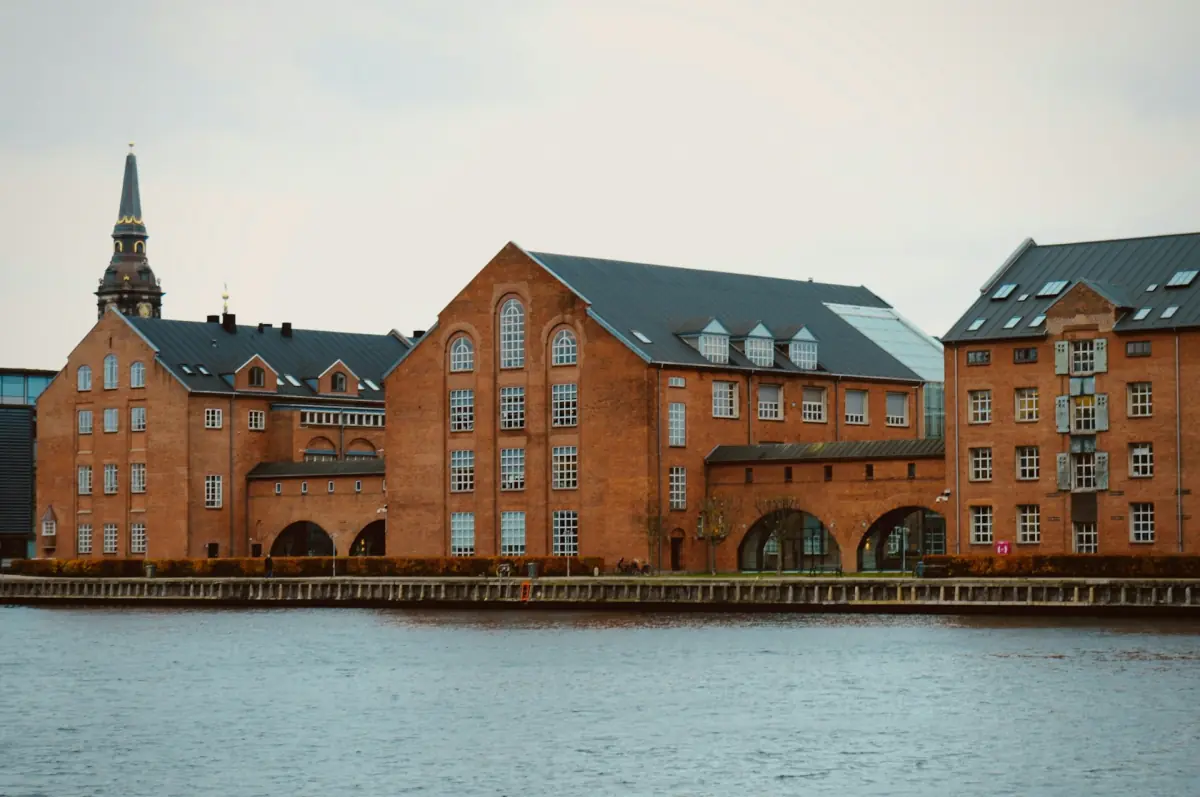
Copenhagen history before the foundation story
Copenhagen history reaches back before 1167, the date often attached to the city’s beginnings. Archaeology places urban activity here from the middle of the eleventh century, with production and trade part of the settlement. Absalon’s castle belongs in that story, but it does not mark the arrival of people on an empty site.
This makes a visit more interesting than a sequence of royal dates. The old centre, Rosenborg, Nyhavn and the former naval areas show different kinds of city life. A guided walk can introduce that setting, while an individual palace visit lets you spend longer inside one building. Choose which approach suits the questions you want answered.

Walks through the city
These English-language walks introduce the city with local guides. Choose the small-group culture walk for coffee and a pastry.
Hand-picked tours, booked through GetYourGuide and Viator. Prices are indicative starting prices in euros (as of October 2026). Tap a tour for live availability and the current price in your currency.

Culture walk with coffee
- Premium small groups of maximum 10
- Native English-speaking guide
- Coffee and/or Tea
A pastry is included during the walk.
Check availability →
Small-group city introduction
- A guided walk in a small group
- Local English speaking guide
- A small map of the city
The guide also offers ideas for exploring afterwards.
Check availability →
Central Copenhagen on foot
- Local English-speaking guide
- Free rescheduling subject to availability
The walk passes attractions; admission to the Round Tower and Rosenborg Castle is extra.
Check availability →Walks into Copenhagen’s history and culture
Explore the centre with an English-speaking guide, join a small-group introduction or choose a culture walk with pastry and coffee or tea.
Absalon and the earlier trading settlement
The familiar 1167 story is connected with the dating of Absalon’s castle. It is useful as a point in the narrative, rather than a precise birthday for Copenhagen. Earlier settlement evidence changes the emphasis: trade and production were already taking place, so the city’s origins are broader than the actions of a single founder.
When walking through Indre By, think of the old town as the setting for a long urban story. The age of a present-day façade and the first occupation of its site are separate questions. Separate the history of a place from the date of the building now standing there. This is a useful way to approach the city without assigning the same age to every street.
Christian IV and Rosenborg
Rosenborg is a Renaissance castle associated with Christian IV. Its preserved rooms, royal objects and treasury offer an interior perspective on royal Copenhagen. That is a different visit from seeing a castle exterior during a walk. If the collection is your main interest, give the Rosenborg visit its own place in the day.
The distinction matters when choosing a guided introduction. The central two-hour walk includes an English-speaking local guide and passes attractions from outside. Castle and tower admission is extra. Use the walk to establish context, then decide which interior deserves a separate visit rather than assuming every historical building is entered.
For another royal setting, Christiansborg Palace brings together reception rooms, the kitchen, stables and ruins through its different visiting areas. Choose an interior because its rooms and displays interest you. A list of famous buildings is less useful than a realistic plan for what you will actually visit.
Nyhavn and the working harbour
Nyhavn dates to 1673 and began as a trading harbour. Its later transformation into a restored restaurant and bar district is part of the city’s changing relationship with the waterfront. Looking at the colourful houses today, keep that commercial and seafaring background in mind instead of treating the harbour simply as a backdrop for photographs.
Hans Christian Andersen lived at Nyhavn 20, 67 and 18. Those addresses give the harbour a literary connection as well as a maritime one. The Nyhavn guide explains how to combine a visit with boat departures and central Copenhagen. Leave time to look at the waterfront itself, whether or not you book an activity there.
Naval land, new districts and Christiania
Holmen was a naval base; Christianshavn’s canals and Nordhavn’s redeveloped harbour and industrial land represent other urban settings. These places should not all be read as medieval Copenhagen. They show how a harbour city changes when military, commercial and residential uses occupy different spaces over time.
Christiania developed on former military land in 1971, in Christianshavn. It belongs to a later chapter of the city’s history than the old-town foundation story. On a visit, respect residents and local signs, especially around photography. The Christiania guide focuses on orientation and respectful visiting rather than treating the neighbourhood as an isolated historical exhibit.
Choose how to explore the story
The culture walk lasts three and a half hours and takes a maximum of ten guests. It starts by the statue in Nyboder at Krokodillegade 21 and includes an English-speaking guide, a pastry and coffee or tea. It suits visitors who want everyday culture alongside the city setting.
The two-hour small-group introduction meets by the city hall statue near H.C. Andersens Boulevard. It includes an English-speaking local guide, a small city map and suggestions for further exploring. For a comparison of formats, meeting points and walking time, use walking tours; for the historical visit itself, choose a manageable stretch of the city and give it your attention.


Frequently asked questions
Was Copenhagen founded in 1167?
Urban activity is evidenced from the middle of the eleventh century. The 1167 date is connected with the account of Absalon’s castle and should not be treated as an exact foundation date.
Do the introductory walks include castle entry?
The central two-hour walk visits sights from outside, with admission extra. Book a palace interior separately when that is the main purpose of your visit.
Which walk includes refreshments?
The three-and-a-half-hour culture walk includes a pastry and coffee or tea, an English-speaking guide and a group of no more than ten guests.